

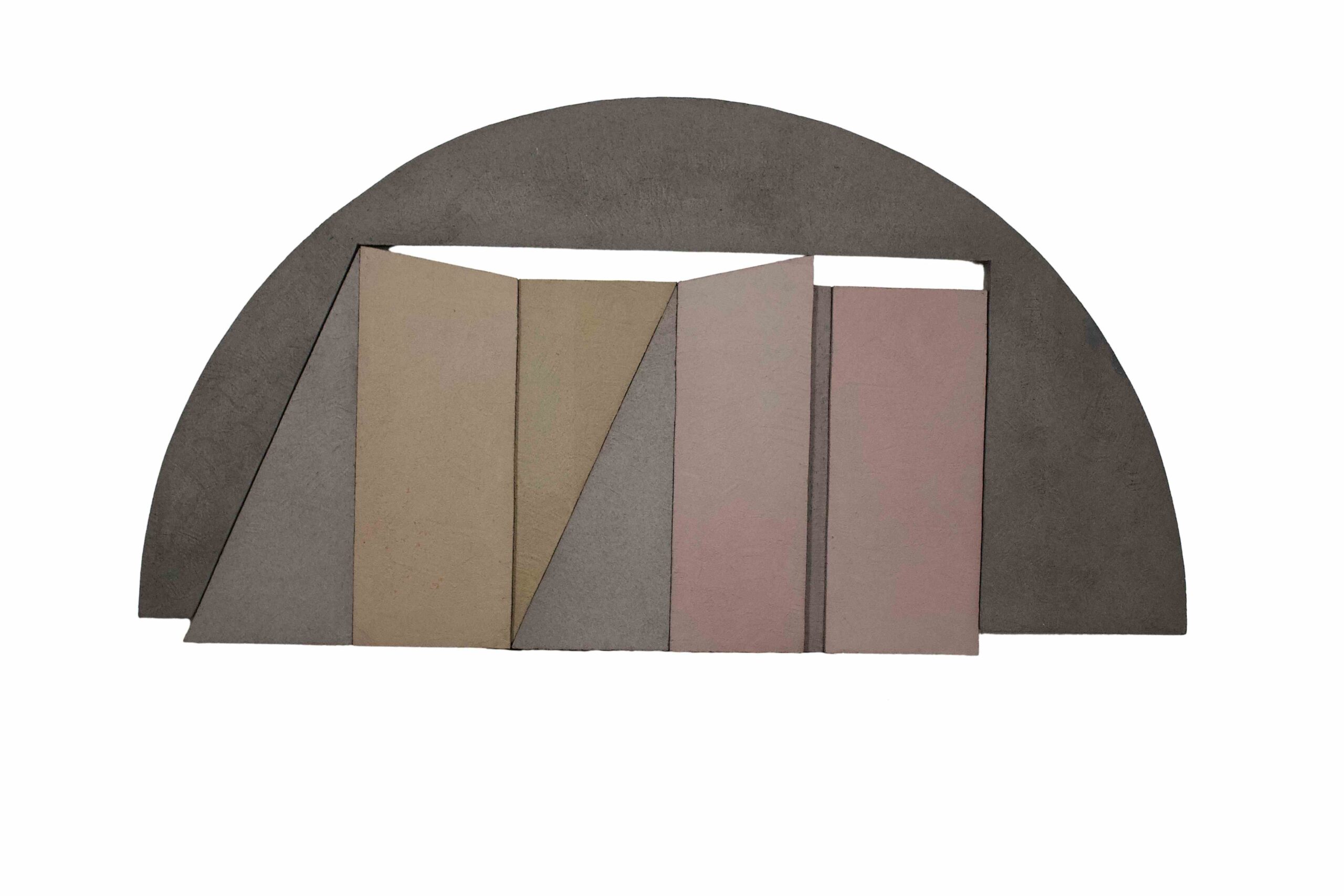
Dimore
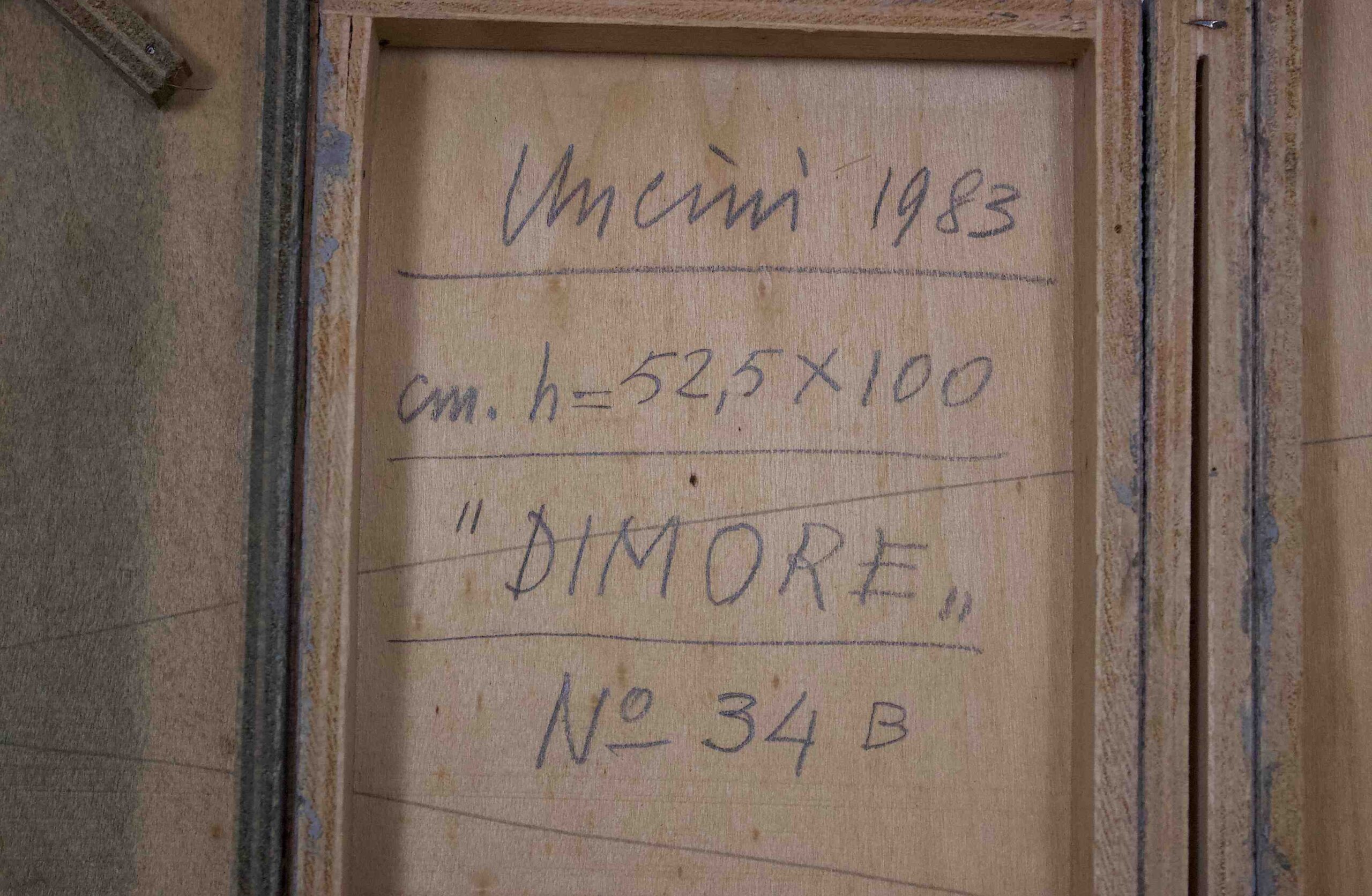
Author: Giuseppe Uncini
Technique: Laminate, wood and concrete
Measurements: 52.5x100x3
Year 1983
The work is equipped with a regular certificate of authenticity issued by the Fumagalli Gallery.
Photo gallery
The work
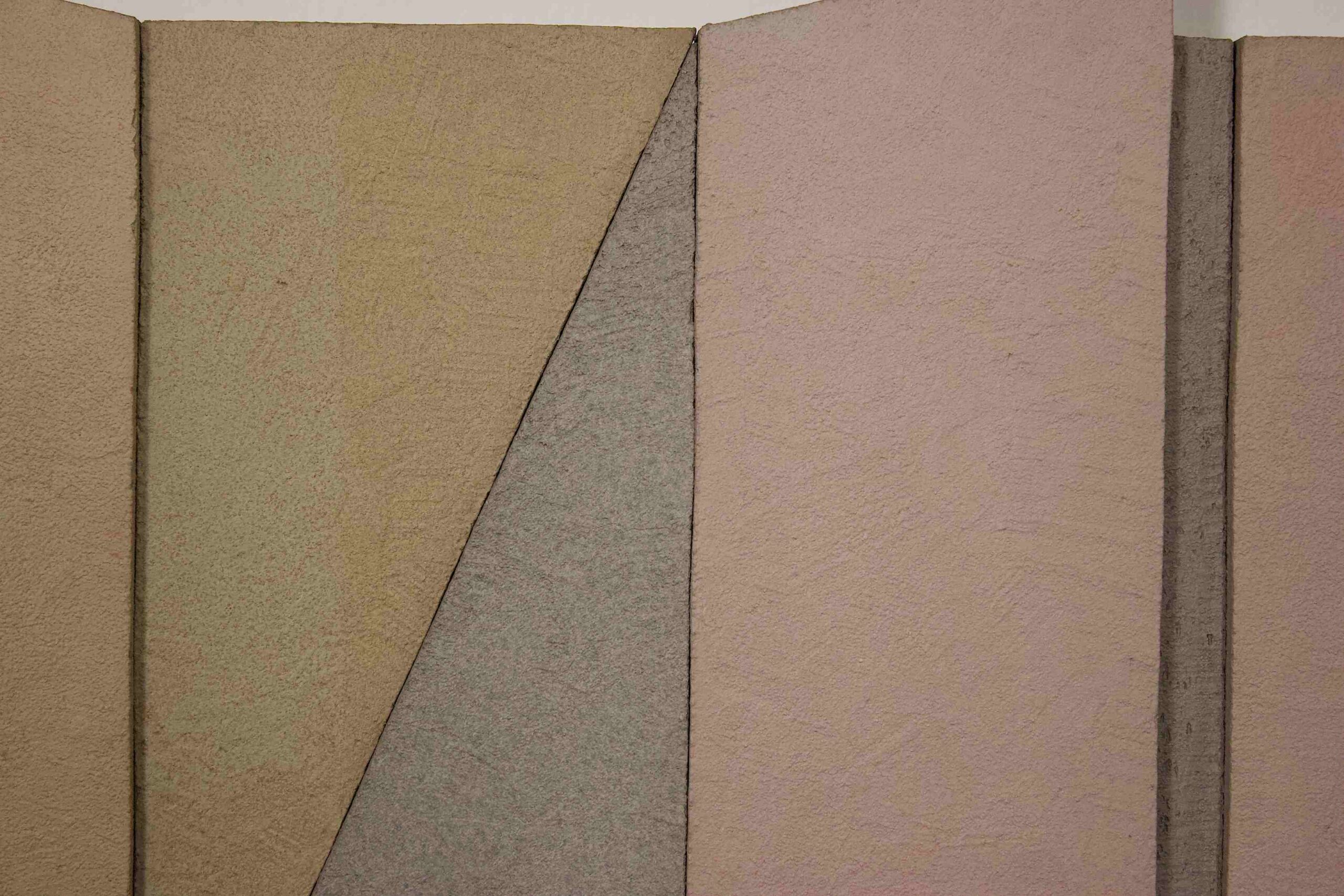
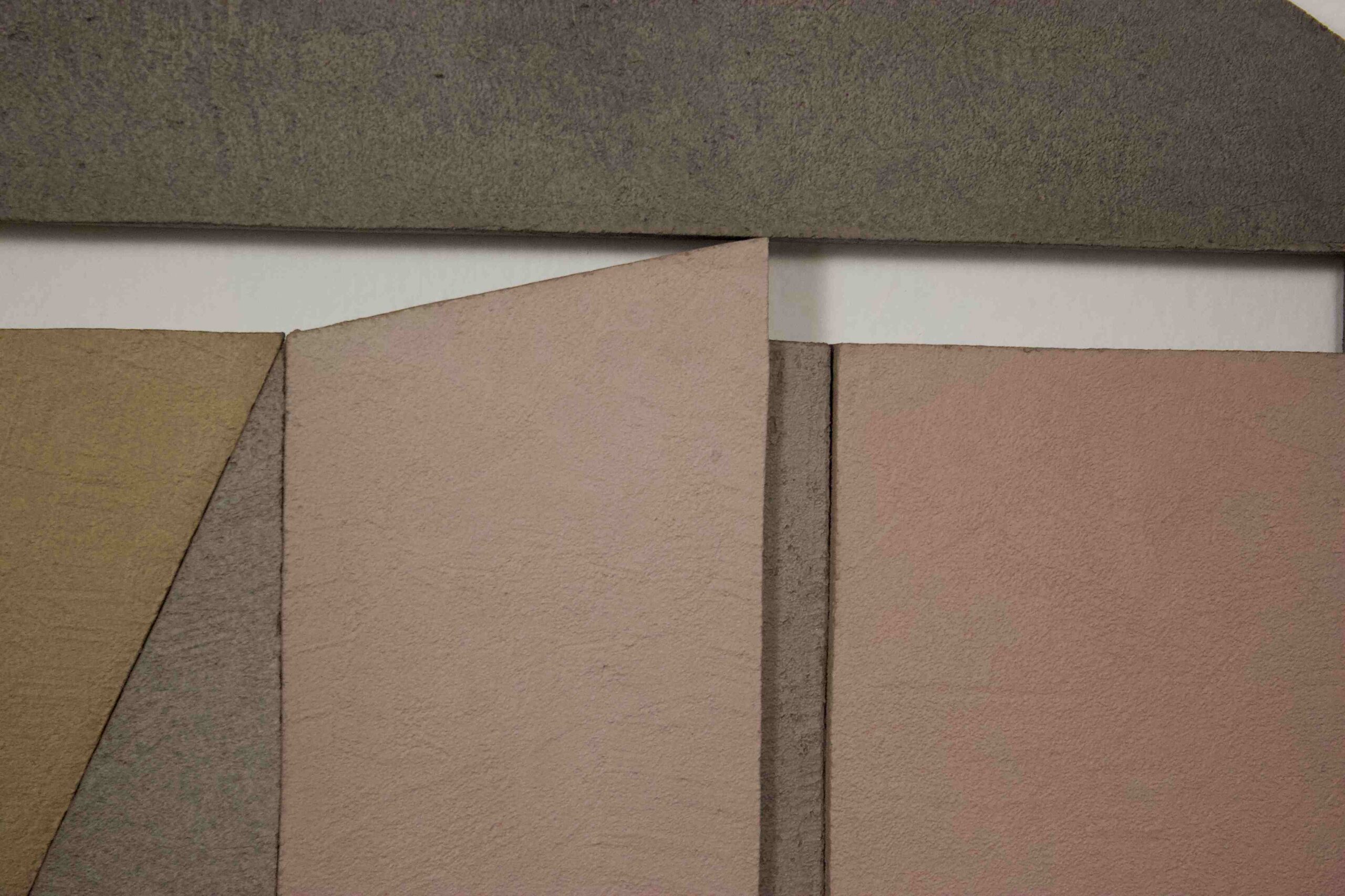
Created as part of the Dimore series, developed by Uncini starting in the late 1970s, this work explores the relationship between architecture, geometry, and space through an essential composition of overlapping volumes and surfaces. The forms evoke architectural structures such as walls, openings, and thresholds, creating an ideal environment where full and empty spaces assume an autonomous expressive value. The geometric planes, articulated through subtle chromatic and perspectival variations, suggest a space that oscillates between concreteness and illusion, between physical place and mental dimension. In Uncini’s research, the dwelling is not simply a building, but a symbolic container of presences, memories, and possibilities. The work thus synthesizes his investigation into the relationship between matter and space, transforming geometry into a tool for reflection on the perception and experience of inhabiting.
The artist

Giuseppe Uncini
Giuseppe Uncini (Fabriano, 1929 – Trevi, 2008) was one of the protagonists of Italian sculpture in the second half of the twentieth century. After studying at the Institute of Fine Arts in Urbino, he moved to Rome in 1953, where he came into contact with important artists and intellectuals. His research stands out from the outset for its experimentation with materials such as reinforced concrete, iron and metal wire, used to overcome the traditional boundaries between painting and sculpture. In 1962, he was among the founders of Gruppo Uno, engaged in a rational reflection on form and perception. Throughout his career, he developed important series of works, including Cementarmati, Ombre, Dimore and Spazi di ferro, establishing himself as a fundamental figure in the renewal of the contemporary plastic language.
 Italiano
 English (UK)